
The Coolest Innovations Changing Education Around the World
“From smart robots to virtual reality, exciting new innovations are transforming the way children learn and explore the world of education.”
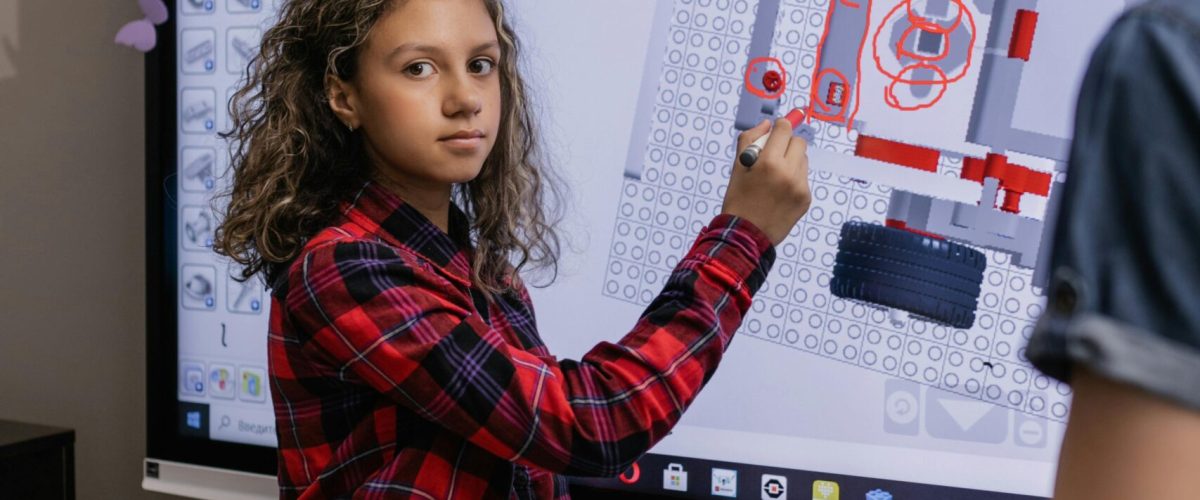
Education is going through one of the biggest transformations in history because of new ideas that make learning more exciting, personalized, and fun. Instead of sitting in a classroom listening quietly, students are now exploring digital worlds, building real robots, solving missions, and learning in ways that feel alive and meaningful.
Here are some of the biggest innovations shaping the future of education and why they matter for learners everywhere.
Artificial intelligence: is becoming one of the most powerful tools in modern classrooms, and it works almost like a personal study partner that understands how you learn. When a student is confused about a topic, AI can give a simpler explanation, show examples, or provide extra practice questions that match the student’s level. It does not replace teachers, it simply makes learning feel more personal by adjusting to each child’s speed, strengths, and challenges. Instead of every student learning the same way, AI helps everyone learn in the way that suits them best, which makes lessons clearer, faster, and more enjoyable.
Virtual reality: takes learning beyond the pages of a textbook by allowing students to step into completely different worlds. You can explore ancient Egypt by walking through pyramids, learn about the solar system by floating in space, or study animals by visiting a virtual rainforest. These experiences make learning unforgettable because students see, hear, and feel what they are studying. VR helps children understand complex ideas faster since the lessons are happening right in front of them, almost like magic.
Games Based Learning, Turning lessons into adventures: More schools are discovering that children learn better when they are having fun, which is why game-based learning is becoming extremely popular. Instead of just reading about math or science, students can solve puzzles, complete missions, earn badges, and unlock new levels. These games teach problem solving, teamwork, and creativity while also helping students master school subjects. The best part is that learners stay motivated because every challenge feels like an adventure, not an assignment.
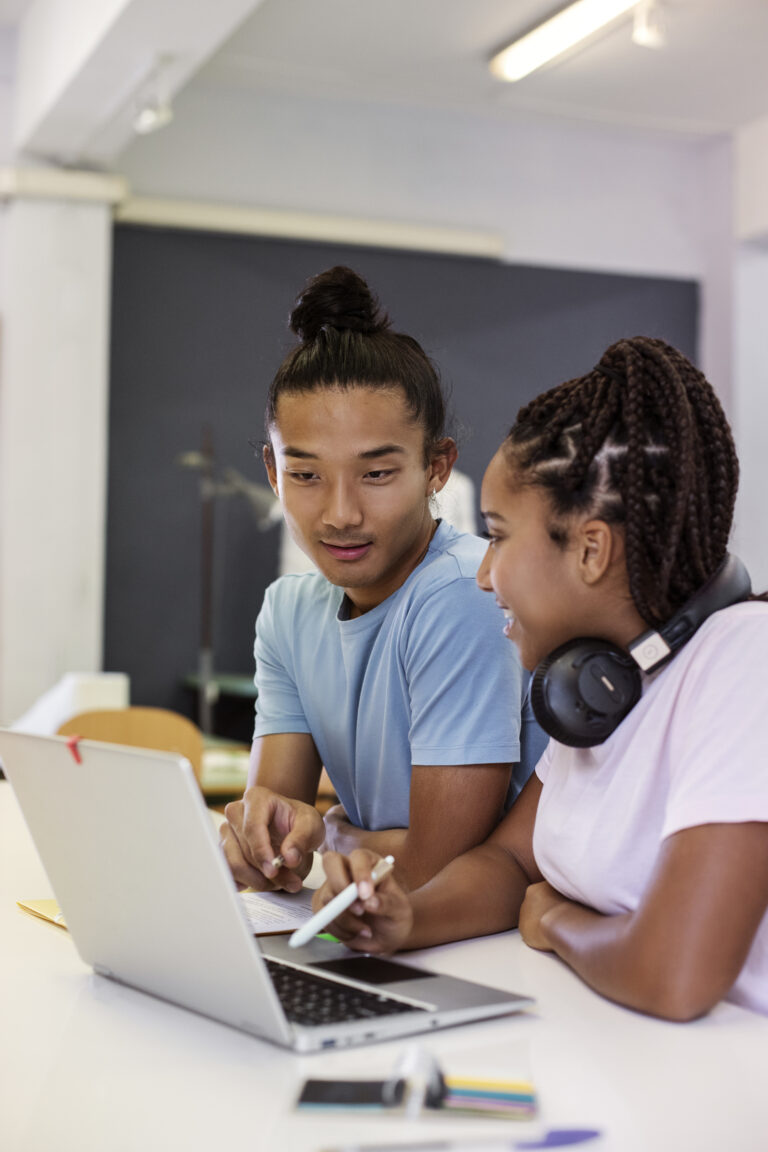
How new innovations are making learning fun and exciting.
Digital classrooms make learning flexible and accessible, especially for children in different countries or environments. Students can watch recorded lessons, download notes, submit homework online, and ask questions instantly. If someone misses a class, they can rewatch the lesson. If a student learns faster or slower, they can move at their own pace without pressure. Digital classrooms help teachers and students stay connected from anywhere, and they open opportunities for young people who might not have access to traditional schools.
Digital classrooms are transforming the way students learn by bringing the school experience to any device, anywhere in the world. Students no longer have to rely on being physically present in a classroom to access lessons. They can watch live or recorded lessons, download study materials, submit homework online, and interact with teachers and classmates in real time.
Digital classrooms also connect students globally. Children from different countries or regions can collaborate on projects, share ideas, and experience diverse perspectives. This approach not only strengthens academic skills but also builds communication, teamwork, and digital literacy — skills that are essential for the 21st century.
Robotics is one of the most exciting innovations because it allows children to bring their ideas to life. When students build robots, they learn how machines think, how programs work, and how technology solves real problems. Coding teaches them how to create games, apps, animations, and even simple computers. These skills prepare young learners for future careers in science, engineering, and technology, but they also build confidence, creativity, and problem solving skills. A robot that moves, speaks, or completes a task becomes proof that students can invent anything they imagine.
Assistive Technology, making learning fair for everyone, Not all students learn in the same way, and assistive technologies help make education equal for children with different needs. Tools like speech to text apps, audio readers, digital translators, enlarged text screens, and supportive writing tools help every child understand lessons clearly. These technologies make sure no learner feels left behind, and they allow every student to participate fully, no matter their learning style or challenges. This makes schools kinder, more supportive, and more inclusive for everyone.
Smart Learning tools Teachers now use advanced digital tools that help them see exactly how their students are performing. These tools show which topics students enjoy, which ones they struggle with, and how their learning is improving over time. Instead of guessing, teachers get clear information that helps them plan better lessons and give the right support to the right student. This creates a classroom where everyone’s needs are understood, and no one feels lost or invisible.
The Future of Education Is Bright
These innovations are transforming education into something interactive, creative, and inspiring. Students are no longer limited to books and chalkboards, they can explore the world, build new things, and learn in ways that match their dreams. The future of school is filled with possibility, and young people everywhere have more opportunities than ever to discover their talents and shape the world.